
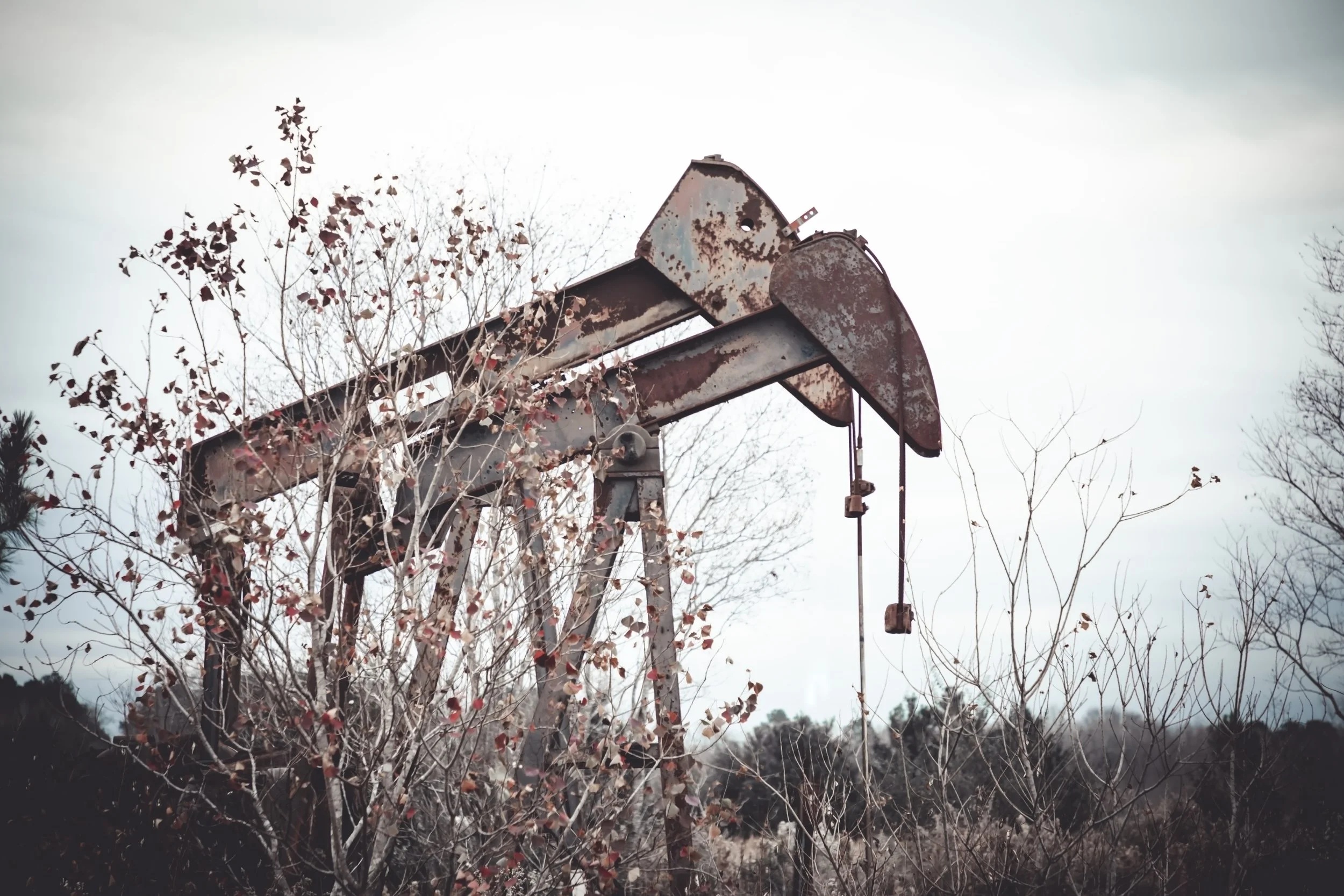
Texas HAS a problem WITH Old Wells
Across Texas, there are about 12,000 orphaned wells and an additional nearly 110,000 inactive oil & gas wells. These wells are not producing oil and gas but have not been plugged by their operators. More than 100,000 more wells produce less than one barrel of oil per day.
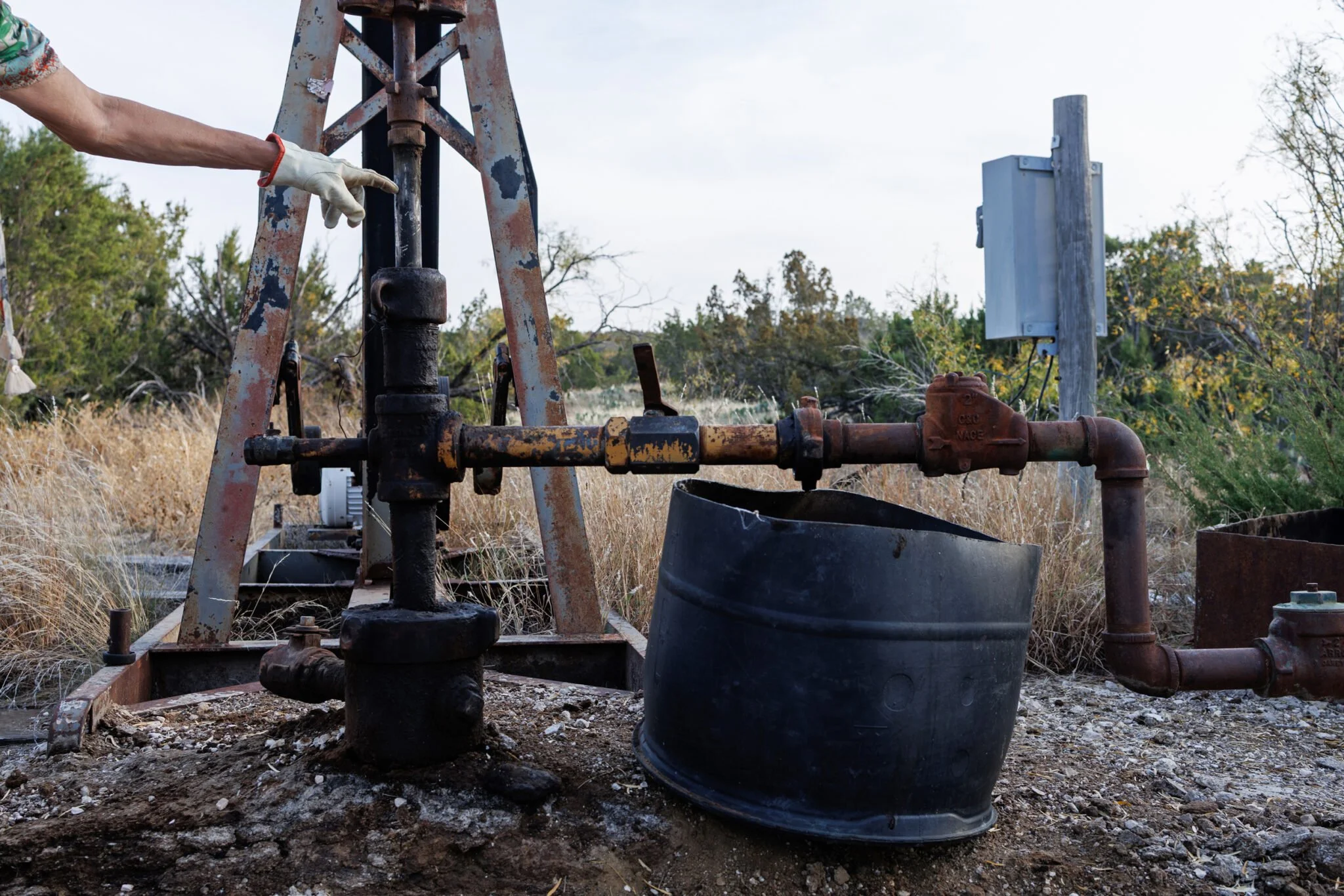
These wells can still contaminate our soil, pollute groundwater, release methane and other known carcinogens, and lower property values. Unplugged wells can also interfere with surface uses like farming and ranching and prevent new subsurface drilling operations.
An “orphaned” well becomes the responsibility of the state to be cleaned up with public funds. The current backlog of orphaned wells is already estimated to cost hundreds of millions of dollars, and for landowners it can take a decade—or more—for these wells to get taken care of.


Texas is rewriting the rules right now
The Texas legislature overwhelmingly passed bipartisan legislation SB 1150 in 2025, limiting well plugging extensions for old, inactive oil and gas wells. This will help ensure that older, inactive wells are properly plugged by the responsible companies and do not become landowner and taxpayer burdens. This law required the Railroad Commission (RRC), which regulates oil and gas wells in Texas, to update its rules on inactive wells–including what happens when they are transferred between operators.
For landowners and anyone impacted by old, unremediated wells, sending comments will help limit loopholes and exemptions. The law affects only about 15% of the more than 100,000 inactive wells in the state, and a lax implementation could further reduce the benefit of the law.
Today’s inactive wells are at risk to become tomorrow’s orphaned wells
View the full interactive dashboard on your desktop computer at texasorphanedwells.org
The map below shows the location of oil and gas wells across the state and the scale of the problem we are facing. Not only do Texas taxpayers have to pay to clean up existing orphaned wells, but we are facing a much larger challenge if we don’t fix the inactive well problem.
Please note that the map can show many other layers of information such as schools and aquifers. Also, this data includes only unplugged oil and gas wells under the jurisdiction of the RRC.
Map of Texas Wells
The interactive dashboard above shows the official status and our interpretation of data from the Railroad Commission of Texas as of September 2026. The number of orphaned and inactive wells changes regularly as wells are plugged and other wells change status. Note that the map only loads 30,000 data points at a time, and it does not include over 350,000 wells already plugged.
12,250
BAcklog of orphaned but still unplugged wells in Texas (1)
The state has already plugged nearly 50,000 wells orphaned by oil companies. Today, the backlog of unplugged orphaned well is growing because the oil and gas industry is orphaning wells faster than they ever have, and the inventory of potential orphaned wells in the future is still much larger.
Nearly 110,000 other wells stand inactive plus another 101,000 active wells produce less than about 1 barrel of oil equivalent per day. Both are at risk of becoming orphaned, and the current rulemaking has the potential to impact only about 15,000 wells,.
100,576
WELLS PRODUCING LESS THAN 1 BOE/D ⁴

$1.2 Billion
OUTSTANDING COST TO CLEAN-UP BACKLOG OF EXISTING ORPHANED WELLS ²

108,686
OTHER INACTIVE WELLS ³

(1) As reported by Texas RRC as of September 2026 minus wells subsequently identified as plugged | (2) Estimated unpaid costs for orphaned wells using RRC historical costs for plugging, site remediation, and administration | (3) As reported by Texas RRC in October 2026, excluding plugged or duplicate wells | (4) Interpreted by TexasOrphanedWells.org
What are Orphaned Wells?
“Orphaned” wells are inactive oil, gas, or injection wells that have become the responsibility of the state because the oil company went out of business. The Texas regulator defines “inactive” to mean wells effectively idled for a longer time, either by filing a form or by failing to report sufficient activity for at least 12 months. In addition, wells idled for shorter periods or continuously producing at very low rates also create little or no cash flow for the oil company.
All three–orphaned, inactive, and low-producing–are a problem for Texans.
Take Action Today
Make Your Voice Heard to Protect Texas Taxpayers & Landowners